For appliance and consumer goods companies, predictability has become increasingly difficult to find. Shifting consumer demand, changing economic conditions, supply chain disruptions, and evolving retail expectations can all affect how much inventory businesses need and where they need it.
These conditions create a difficult balancing act. Carry too much inventory, and businesses can face higher storage costs and tied-up capital. Carry too little, and they risk stockouts, missed sales, and dissatisfied customers.
A flexible logistics strategy can help companies respond to these challenges without sacrificing service or efficiency. By partnering with an experienced logistics partner like Hyperlogistics Group, appliance and consumer goods businesses can build distribution networks capable of adjusting as market conditions change.
Why Volatility Creates Distribution Challenges
Consumer goods supply chains are heavily influenced by demand. When purchasing patterns change unexpectedly, the effects can quickly spread through warehousing, inventory management, transportation, and fulfillment operations.
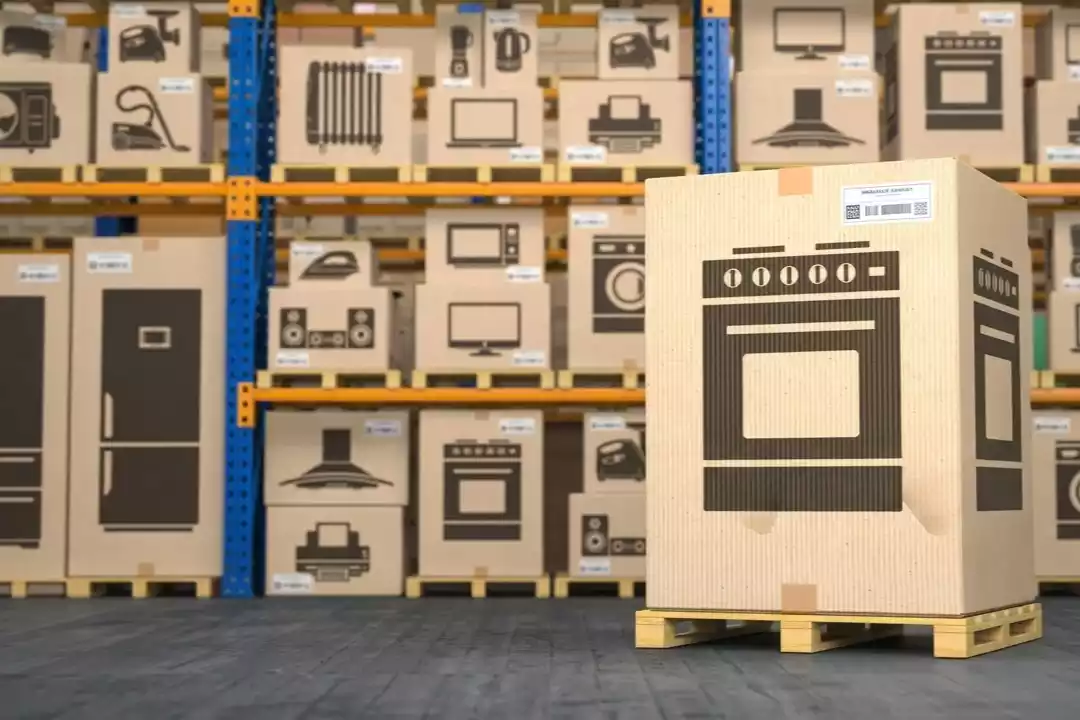
Appliances present additional challenges because many products are large, heavy, and relatively expensive. Refrigerators, washing machines, dryers, ranges, and other household appliances require significantly more warehouse space than many traditional consumer products. They also require careful material handling to prevent damage while products are received, stored, moved, and loaded for transportation.
These characteristics make accurate planning particularly important. However, when demand becomes difficult to forecast, companies need logistics operations that can accommodate fluctuations rather than relying exclusively on rigid projections.
Managing Inventory Through Demand Fluctuations
Inventory is one of the biggest considerations for consumer goods companies operating in an uncertain market.
Periods of strong demand may require companies to bring in additional inventory quickly. A slowdown can create the opposite problem, leaving products in storage longer than anticipated. Seasonal purchasing patterns, promotions, new product introductions, and changes in consumer confidence can further complicate inventory planning.
Flexible warehousing gives businesses greater capacity to adapt to these changes. Instead of maintaining infrastructure designed around peak demand throughout the year, companies can use third-party warehousing and distribution resources to better align their logistics operations with current needs.
Effective inventory management also provides greater visibility into what is available and where it is located. That information can help companies make better decisions about purchasing, replenishment, fulfillment, and transportation.
Protecting High-Value Products in the Warehouse
Appliances and other durable consumer goods can represent significant inventory value. Damage during handling or storage doesn’t simply create an operational inconvenience. It can directly affect margins and customer satisfaction. This is why proper warehouse procedures are essential.
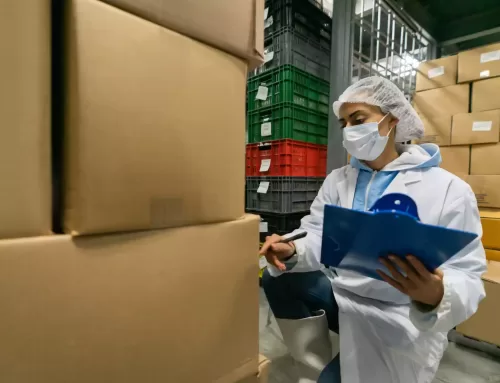
Products should be carefully received, inspected, stored, picked, and staged using processes appropriate for their size and characteristics. Organized warehouse layouts and suitable material-handling equipment can help minimize unnecessary product movement while reducing the potential for damage.
Consistent procedures are especially valuable when inventory volumes increase. As more products move through a facility, established workflows help warehouse teams maintain accuracy and careful handling without creating unnecessary bottlenecks.
Creating a More Flexible Distribution Network
Warehousing is only one component of successful consumer goods distribution. Inventory also needs an efficient path from manufacturers and suppliers to retailers, distributors, businesses, or other destinations.
A third-party logistics provider can help coordinate these different stages of the distribution process. Combining warehousing, inventory management, transportation, and fulfillment capabilities under a single logistics relationship can reduce complexity and provide businesses with greater visibility over their operations.
This flexibility becomes particularly valuable when the market changes unexpectedly. If inventory volumes increase, distribution requirements shift, or new destinations need to be served, businesses have an established logistics infrastructure they can use to respond.
Strategic Location Matters
Where inventory is stored can have a significant impact on how efficiently it reaches its destination.
Hyperlogistics Group is located in Central Ohio within the Rickenbacker Global Logistics Park and near the Norfolk Southern Intermodal Terminal. This strategic location provides access to major transportation infrastructure and positions companies to efficiently serve markets throughout the Midwest and beyond.
For appliance and consumer goods businesses, centralized warehousing can help simplify distribution by positioning inventory closer to major population centers, retail markets, and transportation routes. A well-connected logistics hub can also provide options for moving freight as transportation needs and market conditions evolve.
Build a More Adaptable Supply Chain With Hyperlogistics Group
Appliance and consumer goods distribution requires a careful balance of inventory availability, product protection, transportation efficiency, and cost control. In a volatile market, maintaining that balance becomes even more challenging.
With logistics experience dating back to 1973, Hyperlogistics Group helps businesses navigate changing supply chain requirements through flexible warehousing, inventory management, transportation, and distribution solutions.
Whether you’re managing seasonal demand, adjusting inventory levels, expanding distribution, or looking for a more flexible logistics strategy, Hyperlogistics Group can help keep your products moving.
Contact Hyperlogistics Group today to discuss a warehousing and distribution solution built around your business.