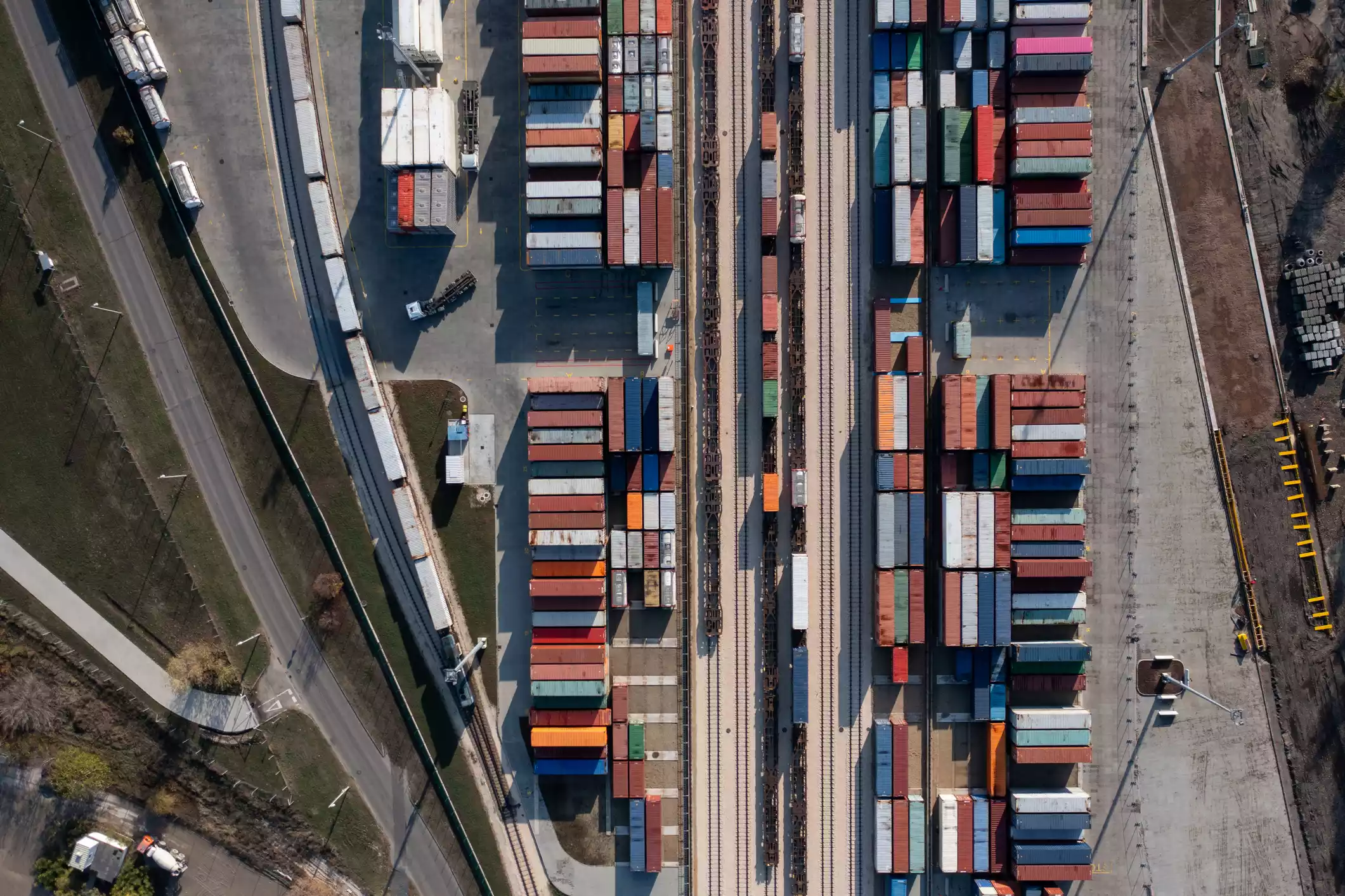
In today’s logistics environment, speed and cost control are inseparable. Shippers are under constant pressure to move freight faster while minimizing transportation expenses, and one of the most effective ways to achieve both is by leveraging intermodal infrastructure. Proximity to a major rail hub, particularly a Norfolk Southern intermodal terminal, can dramatically streamline supply chains, especially when paired with strategically located warehousing and distribution services.
The Strategic Advantage of Intermodal Connectivity
Intermodal transportation blends the efficiency of rail with the flexibility of trucking. Freight moves long distances via rail, then transitions seamlessly to trucks for final delivery. This hybrid model is already cost-effective compared to long-haul trucking alone, but the benefits become even more pronounced when warehouse operations are located near the intermodal terminal itself.
Reducing the distance between rail unloading points and warehouse facilities minimizes drayage—the short-haul trucking that connects ports or rail terminals to distribution centers. Since drayage is often one of the most expensive segments of the supply chain on a per-mile basis, even modest reductions in distance can yield meaningful savings.
Faster Rail-to-Warehouse Turnaround
When a warehouse is located near an intermodal terminal, containers can be transferred from rail to storage or fulfillment operations quickly and efficiently. Instead of sitting in queues or traveling extended distances by truck, freight can be processed almost immediately upon arrival.
This accelerated transfer delivers several operational advantages:
- Reduced dwell time at the terminal
- Faster inventory availability for order fulfillment
- Lower detention and demurrage costs
- Improved supply chain visibility and predictability
The result is a more responsive logistics operation that can adapt quickly to fluctuations in demand without sacrificing efficiency.
Import Efficiency: Speed from Port to Shelf
For importers, proximity to an intermodal terminal shortens the inland journey after freight arrives at coastal ports. Containers transported via rail reach inland terminals faster than over-the-road trucking in many cases, particularly over long distances.
Once the shipment arrives, a nearby warehouse allows for rapid deconsolidation, sorting, and distribution. This is especially valuable for businesses managing high-volume imports or time-sensitive goods. By minimizing the lag between port arrival and warehouse processing, companies can:
- Reduce overall transit time from origin to destination
- Improve inventory turnover rates
- Respond more quickly to market demand
In a retail or e-commerce environment, these efficiencies can translate directly into better customer service and fewer stockouts.
Export Efficiency: Streamlined Outbound Logistics
Exporters benefit just as much from proximity to intermodal infrastructure. With a nearby Norfolk Southern terminal, outbound shipments can be staged, loaded, and transferred to rail with minimal delay.
This streamlined process helps ensure that goods meet tight shipping schedules and port cut-off times. It also reduces the risk of costly disruptions, such as missed vessel departures or last-minute expedited shipping.
Additionally, having rail access nearby allows exporters to take advantage of more predictable transit schedules and lower per-unit transportation costs compared to long-haul trucking. Over time, these savings can significantly improve margins, particularly for high-volume or bulk shipments.
Cost Reduction Across the Supply Chain
The financial impact of proximity to an intermodal terminal extends beyond just transportation rates. While rail is generally more economical than trucking for long distances, the real savings come from optimizing the entire logistics ecosystem.
Key cost-saving factors include:
- Lower drayage expenses due to shorter distances
- Reduced fuel consumption and associated surcharges
- Fewer accessorial fees, such as detention and demurrage
- Improved labor efficiency through faster handling times
When these elements are combined, the total landed cost of goods can be significantly reduced, giving companies a competitive edge in pricing and profitability.
Why Location Matters More Than Ever
As supply chains become more complex and customer expectations continue to rise, location strategy is a critical component of operational performance. Warehousing near a Norfolk Southern intermodal terminal offers a powerful combination of speed, efficiency, and cost control that is difficult to replicate elsewhere.
For companies looking to optimize their logistics operations, reduce transit times, and gain a competitive advantage, proximity to intermodal infrastructure is essential.
Partnering for Strategic Advantage
At Hyperlogistics Group, we understand the value of location-driven logistics. With our 507,000 square foot facility in Rickenbacker Global Logistics Park near the Norfolk Southern Intermodal Terminal, we help our clients unlock faster transit times, lower costs, and greater supply chain efficiency.
Whether you’re managing imports, exports, or domestic distribution, the right location can make all the difference, and we’re here to help you take full advantage of it. Contact us today to learn more.