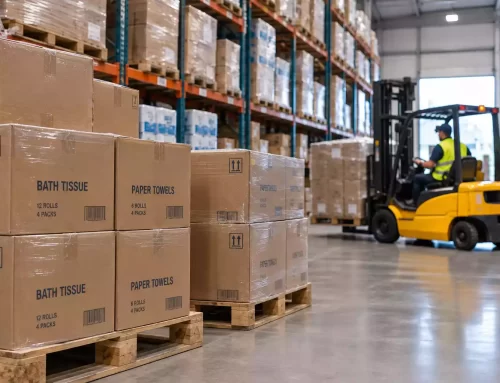
For consumer goods businesses, demand rarely stays consistent throughout the year. Holiday shopping, seasonal promotions, new product launches, and changing consumer preferences can all create sudden increases in orders. While these sales spikes present valuable opportunities for growth, they also put pressure on inventory levels, warehouse space, and distribution operations.
Without adequate preparation, businesses risk running out of popular products, paying for unnecessary storage, or struggling to fulfill orders on time. A strategic warehousing partner like Hyperlogistics Group helps companies prepare for these fluctuations, maintain product availability, and control inventory costs without committing to more space or resources than they need.
Why Seasonal Demand Requires a Different Approach to Inventory
Seasonal demand can be difficult to predict, particularly for businesses that sell products across multiple channels. A promotional campaign may generate more orders than expected, while an underperforming product can leave a company with excess inventory long after a sales event ends.
Holiday periods create additional challenges. Retailers and distributors often need to increase inventory well before demand peaks, accounting for supplier lead times, transportation schedules, and the time required to receive and process incoming shipments. Waiting until orders start increasing can leave businesses scrambling to secure products and warehouse capacity when both are in high demand.
Effective inventory planning starts with understanding historical sales patterns, upcoming promotions, and anticipated changes in customer behavior. By using this information to forecast demand, businesses can determine which products need additional stock, when inventory should arrive, and how much storage capacity will be necessary.
Plan Inventory Around Expected Demand
Historical sales data provides a useful starting point for seasonal inventory planning. Businesses can review previous holiday periods, promotional campaigns, and product launches to identify trends and estimate future demand.
These forecasts help companies establish inventory targets and coordinate replenishment schedules with suppliers. They also make it easier to prioritize high-demand products without overstocking slower-moving items.
A well-planned warehousing strategy supports these decisions by providing the space and inventory management processes needed to receive, organize, and store products before demand increases. Having inventory positioned ahead of a sales spike can help businesses respond to orders without relying on last-minute deliveries.
Use Flexible Storage Capacity to Accommodate Fluctuations
Maintaining enough warehouse space for peak demand can be expensive, especially when businesses only need that capacity for a few weeks or months each year. Leasing additional permanent space may leave companies paying for unused square footage during slower periods.
Third-party warehousing can offer an alternative by providing access to storage capacity that better aligns with changing inventory needs. Businesses can increase their use of external warehouse space ahead of a major promotion or holiday season and scale back as demand returns to normal, depending on the provider’s available capacity and service arrangements.
This flexibility allows companies to prepare for busy periods without necessarily expanding their own facilities. It can also help growing businesses accommodate new products, enter additional markets, or test promotional strategies without immediately investing in more warehouse infrastructure.
Improve Inventory Organization and Order Fulfillment
Having enough inventory is only part of the equation. Businesses also need to locate products quickly, process orders accurately, and move shipments through the distribution process efficiently.
As order volumes increase, disorganized storage and inconsistent inventory records can contribute to picking errors, delayed shipments, and unnecessary labor. These problems become especially costly when customers expect fast fulfillment during busy shopping periods.
Organized warehouse layouts, accurate inventory tracking, and established receiving and picking procedures help businesses maintain operational efficiency as volumes rise. Keeping fast-moving products accessible and monitoring inventory levels can also help warehouse teams prioritize replenishment and fulfillment activities.
For consumer goods companies serving retailers, distributors, and direct-to-consumer customers, these processes can make a meaningful difference in meeting delivery expectations during peak demand.
Prepare for Demand After the Peak
Seasonal planning should account for what happens after a sales spike, not just how to manage it. Once a holiday season or promotional campaign ends, businesses may be left with excess products that occupy valuable warehouse space and tie up working capital.
Accurate forecasting, ongoing inventory reviews, and coordinated replenishment schedules can help reduce the risk of overstocking. Businesses should also identify products that may require markdowns, promotional support, or a revised distribution strategy if demand falls short of expectations.
Warehousing supports this process by providing visibility into remaining inventory and a place to manage products as sales patterns change. With the right storage arrangement, businesses can adjust their inventory levels without allowing seasonal stock to disrupt their regular operations.
Prepare for Your Next Sales Spike With Hyperlogistics Group
Seasonal demand is easier to manage when businesses have a warehousing strategy that can adapt to changing inventory requirements. From planning for holiday orders to supporting product launches and promotional campaigns, the right logistics partner can help companies navigate fluctuations without placing unnecessary strain on their internal operations.
Hyperlogistics Group provides warehousing and logistics solutions designed to support businesses as their supply chain needs evolve. With experience handling a range of products, including food, paper products, raw materials, and consumer goods, the company helps businesses manage the storage and movement of inventory as part of their broader distribution operations.
Whether you are preparing for a major sales event or looking for a more flexible approach to inventory management, the right warehousing strategy can help you maintain product availability while making more informed decisions about storage capacity and costs.
Contact Hyperlogistics Group to discuss your warehousing needs and prepare your supply chain for seasonal demand.