In logistics, time is money. When freight sits idle at a terminal, warehouse, or distribution facility, delays can increase transportation costs, disrupt delivery schedules, and limit capacity for additional shipments.
For businesses relying on intermodal transportation, reducing dwell time is especially important. Every hour a shipment spends waiting to be unloaded, processed, staged, or transferred is time it is not moving toward its destination. Strategic warehousing and efficient staging help minimize these delays and keep freight moving through the supply chain.
What Is Dwell Time in Logistics?
Dwell time refers to how long freight, containers, or transportation equipment remains at a facility or terminal before moving to the next stage of its journey. This may include time spent awaiting unloading, processing, documentation, or a scheduled pickup.
Some dwell time is unavoidable, but delays caused by limited space, inefficient workflows, scheduling conflicts, and poor coordination can create costly bottlenecks. Trucks and trailers may sit idle instead of completing additional loads, containers may incur fees beyond applicable free-time allowances, and warehouse congestion can slow shipments.
Reducing dwell time requires coordinating each step so freight spends less time waiting and more time moving. Consider the following strategies to improve turnaround and reduce dwell time in your operations
Take Advantage of Strategic Intermodal Access
Intermodal transportation combines multiple modes, typically rail and truck, to move freight. Warehouses located near intermodal terminals can reduce transfer distances, simplify coordination, and limit unnecessary drayage.
Proximity alone does not eliminate delays, but it creates opportunities to coordinate inbound shipments with warehouse receiving schedules and outbound transportation plans.
Hyperlogistics Group’s location in the Rickenbacker Global Logistics Park near the Norfolk Southern Intermodal Terminal offers a strategic advantage for businesses seeking warehousing and transportation efficiencies in the Columbus, Ohio, region. This access to intermodal infrastructure can help streamline freight transfers and support more efficient distribution operations.
Improve Staging and Loading Efficiency
Shipments often need to be sorted, inspected, consolidated, or prepared for outbound transportation before leaving a warehouse. Without an organized staging process, these activities can create bottlenecks and increase dwell time.
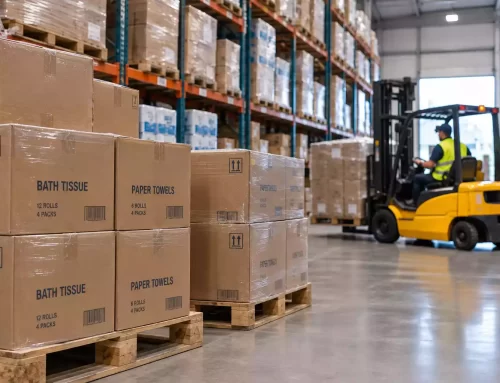
Warehouse teams can improve efficiency by assigning staging areas, prioritizing time-sensitive freight, and organizing products by destination, carrier, or departure schedule. Preparing shipments before transportation arrives also helps reduce unnecessary handling and prevent freight from blocking dock doors or incoming shipments.
Coordinating staging with pickup schedules creates a smoother flow of goods and more predictable turnaround times.
Coordinate Transportation and Warehouse Schedules
Even an organized warehouse can experience delays when transportation schedules do not align with receiving capacity. Early truck arrivals can create unnecessary waiting, while several vehicles arriving simultaneously may overwhelm available dock space and labor.
Communication between warehouse teams, carriers, and freight coordinators helps prevent these conflicts. Advance notice allows teams to allocate dock space, schedule labor, and prepare for incoming shipments. Outbound coordination ensures freight is ready when transportation arrives.
Tracking unloading times, missed appointments, and departure delays can also reveal recurring bottlenecks and opportunities to improve efficiency.
Key Benefits of Reducing Dwell Time
Faster turnaround can improve transportation asset utilization, reduce certain accessorial charges, and help businesses provide more reliable delivery expectations. More efficient receiving and staging also free up warehouse space and labor for additional shipments, potentially allowing businesses to handle higher volumes without expanding their facilities.
For companies using intermodal transportation, coordinating transfers between rail, warehouse, and truck operations is particularly valuable. Facility location, staging procedures, transportation scheduling, and communication all contribute to keeping freight moving efficiently.
Improve Freight Flow With Hyperlogistics Group
Reducing dwell time takes a coordinated approach to warehousing, staging, and transportation. Hyperlogistics Group provides warehousing and logistics solutions designed to keep your supply chain running efficiently.
For businesses looking to streamline freight transfers, improve turnaround times, and make better use of logistics resources, strategic facility access and efficient warehouse operations can make a meaningful difference.
Contact Hyperlogistics Group to discuss your warehousing and logistics needs and explore ways to support a more efficient supply chain.