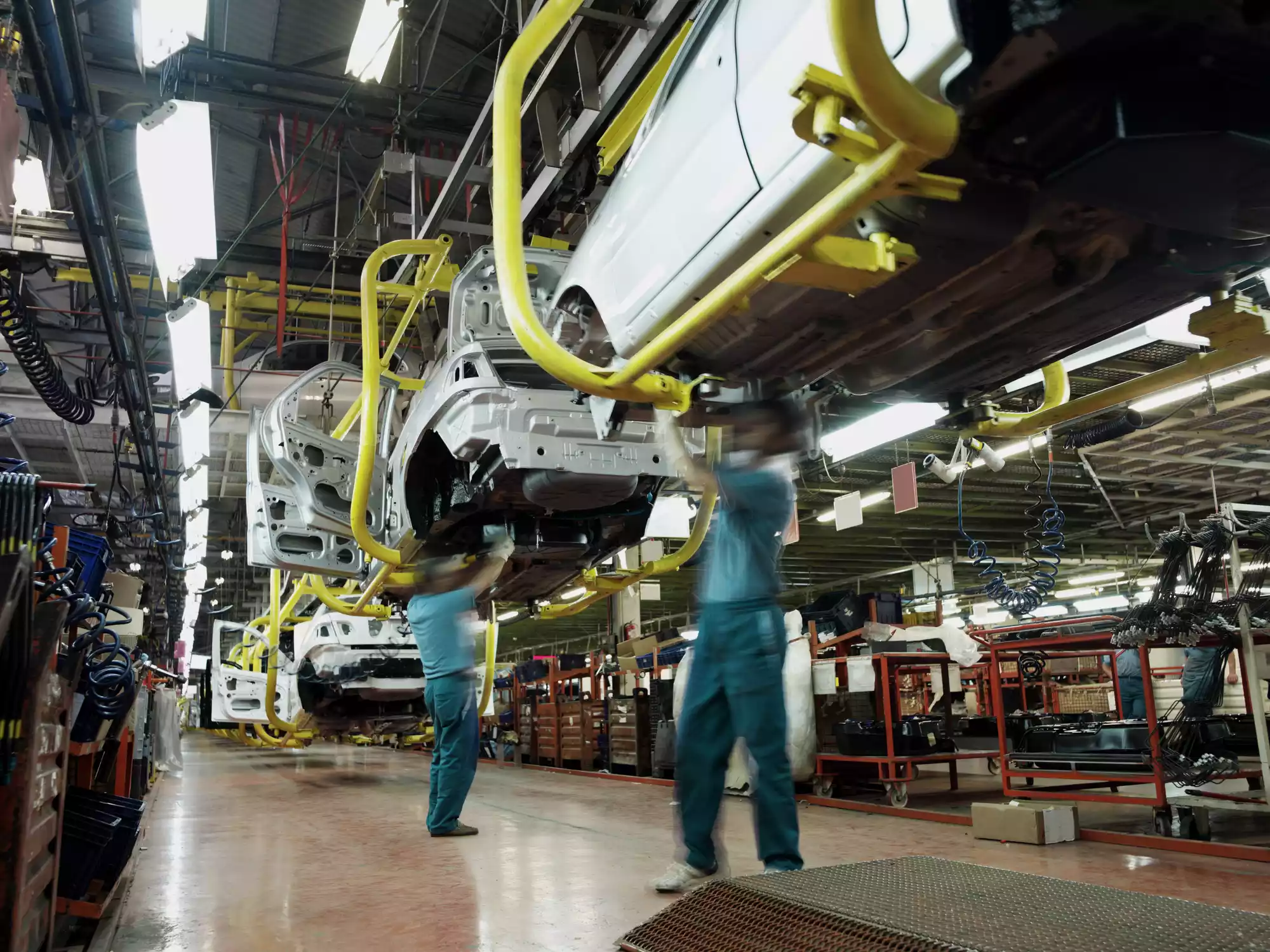
The automotive industry operates on precision. Manufacturers rely on carefully coordinated supply chains to ensure that thousands of components arrive at exactly the right place and time to keep production lines moving. Even a small delay can disrupt operations, increase costs, and impact customer satisfaction.
From raw materials and individual parts to finished vehicles and aftermarket products, every shipment plays a critical role
Here’s why timing is everything in today’s automotive supply chains and how the right logistics partner can help manufacturers stay ahead.
The Cost of Delays
Automotive manufacturing depends heavily on lean production methods and just-in-time (JIT) inventory strategies. Rather than storing large quantities of parts, manufacturers receive components only as they are needed on the production line.
While this approach reduces storage costs and improves efficiency, it also leaves very little room for error. If a shipment of engines, axles, electronics, or fasteners arrives late, production can slow or stop entirely. A single delayed delivery has the potential to affect multiple assembly lines, suppliers, and customers, creating a ripple effect throughout the supply chain.
In an industry where every minute of downtime carries a significant financial cost, reliable logistics are essential.
Managing Complex Supplier Networks
Modern vehicles are assembled using thousands of components sourced from suppliers around the world. Coordinating these shipments requires careful planning and constant communication.
Automotive manufacturers often work with dozens or even hundreds of suppliers that must deliver materials on strict schedules. Warehousing, transportation, inventory management, and freight coordination all need to work together seamlessly to prevent bottlenecks.
An experienced logistics provider helps simplify these complexities by coordinating inbound shipments, managing inventory, and ensuring products move efficiently through every stage of the supply chain.
Inventory Visibility Drives Better Decisions
When production schedules are measured down to the hour, manufacturers need complete visibility into their inventory.
Advanced warehouse management systems (WMS) and transportation management systems (TMS) provide real-time data that helps manufacturers track incoming shipments, monitor inventory levels, identify potential shortages, and respond quickly when disruptions occur.
Instead of reacting to supply chain problems after they’ve affected production, manufacturers can make proactive decisions that minimize downtime and improve operational efficiency.
Strategic Warehousing Reduces Transit Time
Warehouse location plays a major role in supply chain performance.
Facilities located near manufacturing centers, major highways, rail networks, and intermodal terminals allow parts to move more efficiently while reducing transportation costs. Shorter transit times also help manufacturers maintain lean inventory levels without increasing the risk of production delays.
Strategically positioned warehouses enable companies to respond more quickly to changing production demands while maintaining dependable delivery schedules.
Flexibility Is More Important Than Ever
Automotive supply chains have become increasingly dynamic. Market demand, production schedules, supplier availability, and global events can all affect inventory needs with little notice.
A reliable logistics partner provides the flexibility to adjust warehouse capacity, transportation schedules, and distribution strategies as conditions change. Rather than scrambling to react to unexpected disruptions, manufacturers can scale operations efficiently while maintaining production continuity.
This adaptability has become one of the most valuable qualities in today’s automotive logistics environment.
Quality and Accuracy Matter
In the automotive industry, shipping the wrong part can be nearly as costly as shipping it late.
Accurate inventory management, barcode scanning, quality control procedures, and organized warehouse operations help ensure that every component is picked, packed, and delivered correctly. Reducing shipping errors minimizes costly returns, prevents production interruptions, and strengthens relationships with customers and manufacturing partners.
Consistency and reliability are just as important as speed.
Strong Transportation Partnerships Keep Freight Moving
Transportation is the final link that keeps automotive supply chains running smoothly.
Experienced logistics providers maintain strong relationships with reliable carriers and develop transportation strategies that balance speed, cost, and flexibility. Whether moving raw materials to production facilities or shipping finished products to distribution centers, dependable transportation helps manufacturers maintain production schedules and meet customer expectations.
When transportation and warehousing are managed as one coordinated operation, companies gain greater efficiency across the entire supply chain.
Choosing the Right Logistics Partner
Hyperlogistics Group helps manufacturers build stronger, more efficient supply chains through strategic warehousing, transportation management, and value-added logistics services. Conveniently located near the Norfolk Southern Intermodal Terminal within the Rickenbacker Global Logistics Park, our facilities provide excellent access to major transportation networks throughout the Midwest and beyond.
Our experienced team works closely with manufacturers to improve inventory visibility, streamline distribution, and create customized logistics solutions that support operational efficiency and long-term growth.
If you’re looking for a logistics partner that understands the pace and precision of automotive supply chains, Hyperlogistics Group is ready to help keep your operation moving forward. Contact us today to get started.