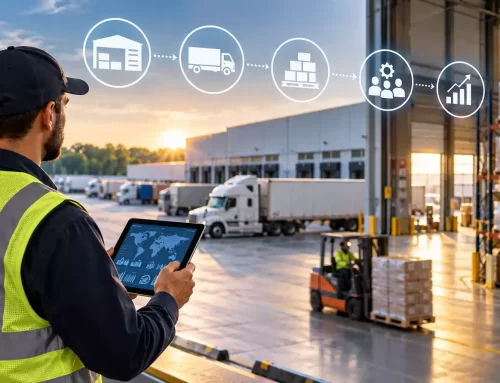
Every product has a journey. Raw materials arrive from suppliers, components move between facilities, finished goods enter storage, and inventory makes its way to its destination. At every stage, products must be handled, stored, and transported according to their unique requirements.
For companies operating in industries with sensitive, valuable, or tightly controlled goods, those requirements become even more important. A reliable logistics partner needs more than warehouse space and transportation capacity. It needs processes designed to protect product integrity, maintain accurate inventory, and keep goods moving securely throughout the supply chain.
At Hyperlogistics Group, our experience across multiple industries allows us to provide flexible logistics solutions while maintaining a consistent focus on careful handling, visibility, and security.
Different Industries, Different Logistics Requirements
There is no universal approach to supply chain management. The processes that work for one type of product may be completely inappropriate for another.
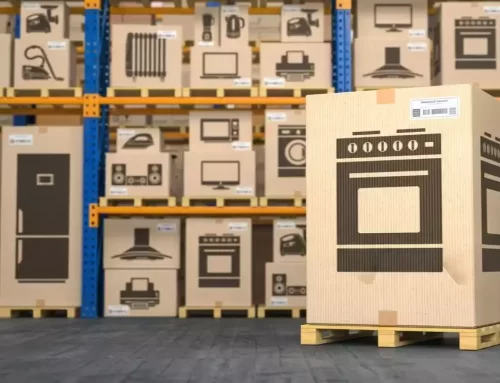
Food and beverage products require strict sanitation practices, careful inventory rotation, traceability, and storage environments designed to protect product quality. Industrial materials may present entirely different challenges, including unusual dimensions, heavy weights, or specialized handling procedures.
Other sensitive products may require enhanced security, restricted access, detailed documentation, or particularly careful handling.
Working across industries gives an experienced logistics provider the ability to understand these differences and adapt operations accordingly. Rather than forcing every customer into the same process, logistics solutions can be developed around the characteristics of the product and the requirements of the supply chain.
Protecting Products Begins at Receiving
Secure handling starts the moment a shipment arrives at the warehouse.
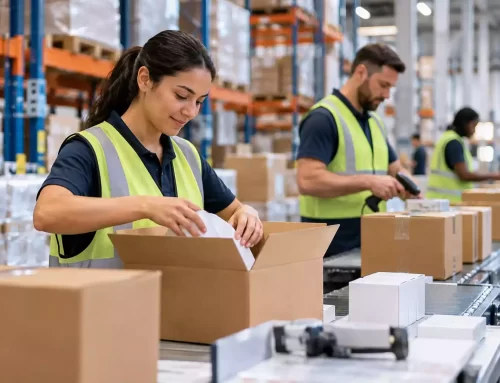
Receiving processes provide an important opportunity to verify that incoming products match documentation and identify potential issues before inventory enters storage. Quantities, product identification, packaging condition, and other relevant information can be checked and documented to establish an accurate record of what has entered the facility.
From there, products can be directed to the appropriate storage location based on their specific requirements. Maintaining organized receiving procedures helps reduce errors downstream and creates a stronger foundation for inventory accuracy throughout the product’s time in the warehouse.
Secure Storage Helps Preserve Product Integrity
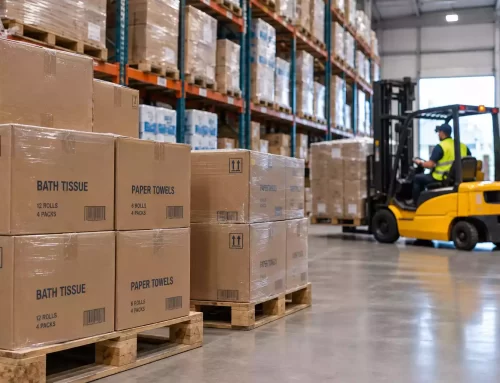
Warehousing is not simply about finding a place to put inventory. Products must be stored in a way that protects their condition while allowing them to be efficiently located, handled, and prepared for their next destination.
That requires thoughtful facility management and clearly established procedures. Depending on the product, secure storage can include controlled access to inventory areas, organized location management, sanitation protocols, appropriate material-handling equipment, and documented procedures for employees.
For food products, warehouse conditions can play a critical role in maintaining safety and quality. Hyperlogistics Group offers food-grade warehousing certified by ASI and MOSA, along with organic certification through MOSA and compliance with the U.S. National Organic Program. These capabilities help support customers whose products require additional care and documented standards throughout storage and distribution.
Inventory Visibility Supports a More Controlled Supply Chain
Physical security is only one part of protecting sensitive inventory. Businesses also need to know what they have, where it is located, and when it moves.
Accurate inventory management provides the visibility necessary to make informed supply chain decisions. When inventory records are maintained throughout receiving, storage, picking, and shipping, businesses can reduce discrepancies and gain greater confidence in their available stock.
Strong inventory controls can also improve traceability. If a company needs to identify a specific product, shipment, or inventory movement, reliable records make it easier to locate the necessary information. This is particularly valuable for industries where documentation, lot tracking, or regulatory requirements are important parts of doing business.
Location Can Reduce Unnecessary Supply Chain Risk
A strategically located warehouse can also contribute to a more efficient and manageable supply chain.
Hyperlogistics Group is located within the Rickenbacker Global Logistics Park near the Norfolk Southern Intermodal Terminal in Central Ohio. This location provides access to major transportation infrastructure and positions inventory within reach of a significant portion of the U.S. population.
Reducing unnecessary transportation legs and creating efficient connections between modes can simplify distribution networks. For businesses moving goods from suppliers to warehouses, manufacturing facilities, retailers, or other destinations, a centralized logistics location can help improve both efficiency and control.
Move Your Products With Confidence
From raw materials and components to food products and finished consumer goods, every shipment deserves careful handling. Effective supply chain management combines secure facilities, established procedures, accurate inventory management, experienced personnel, and reliable transportation to protect products throughout their journey.
Hyperlogistics Group brings these capabilities together to help businesses manage complex supply chains with greater confidence. With decades of logistics experience and capabilities serving a range of industries, we can develop solutions that keep your products protected and your operations moving.
Looking for a logistics partner that understands the unique requirements of your products? Contact Hyperlogistics Group today to discuss your warehousing, transportation, and supply chain needs.