As consumer demand for organic products continues to grow, food manufacturers are facing increased pressure to maintain strict compliance across every stage of the supply chain. It’s not enough for ingredients to be certified organic at the source. Those standards must be preserved through storage, handling, and distribution. That’s where certified organic food warehousing comes into play.
For manufacturers, working with a logistics partner that understands and adheres to organic certification requirements is essential for protecting product integrity, maintaining compliance, and avoiding costly disruptions.
Understanding MOSA Certification and Organic Compliance
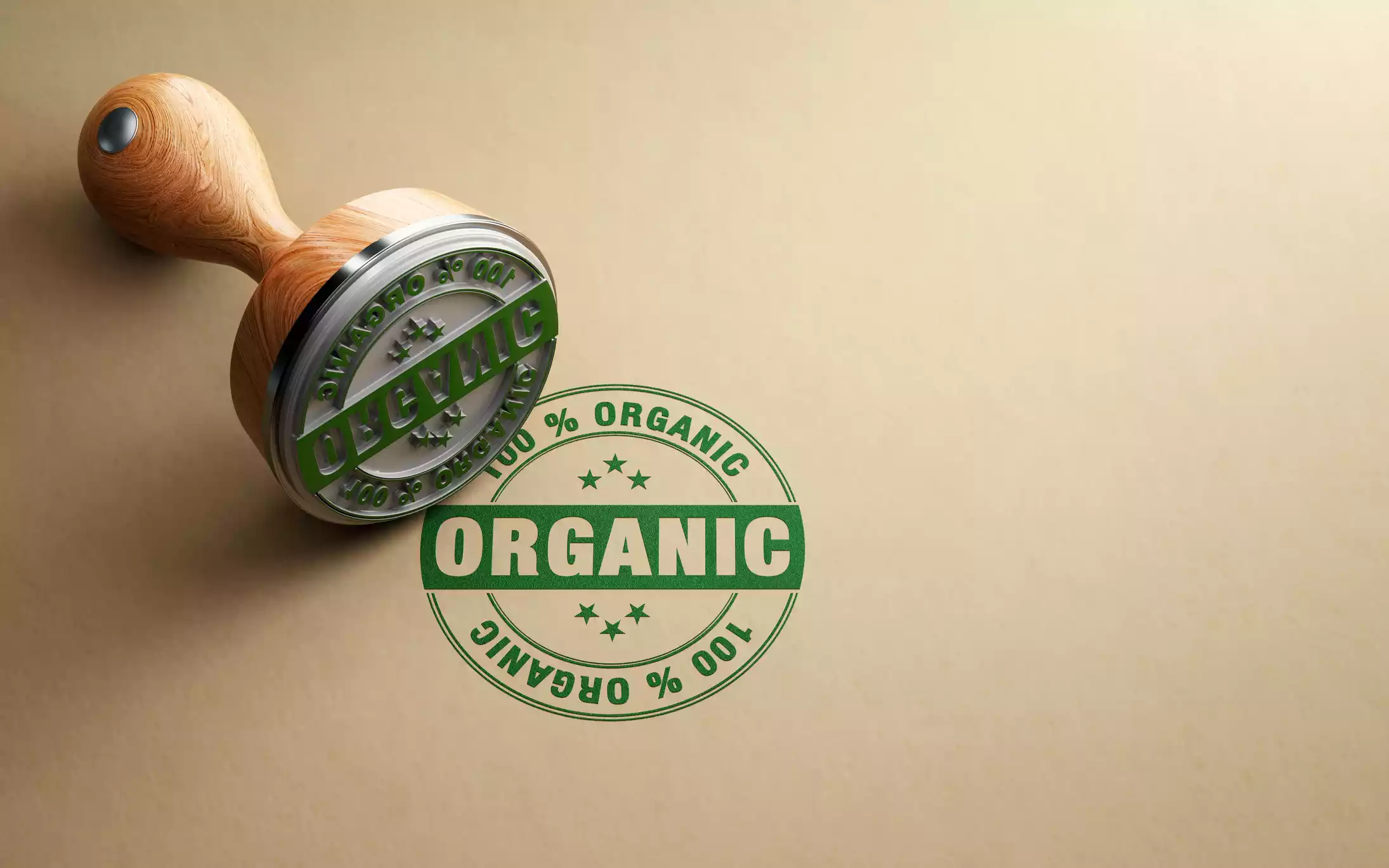
Certified organic storage facilities must meet the standards set by accredited certifying bodies such as Midwest Organic Services Association (MOSA), which operates under the USDA National Organic Program (NOP). These standards are designed to ensure that organic products are protected from contamination, commingling, and prohibited substances throughout storage and handling.
MOSA certification requires facilities to implement and document strict operational procedures, including:
- Segregation of organic and non-organic products n- Detailed cleaning and sanitation protocols
- Approved pest management practices
- Comprehensive recordkeeping and audit trails
Facilities are subject to regular inspections and audits to verify compliance. For food manufacturers, this certification serves as a safeguard, ensuring that their products remain eligible for organic labeling when they reach the market.
The Role of Traceability in Organic Storage
Traceability is a cornerstone of organic compliance. Every product must be fully traceable from origin to final destination, with clear documentation at each step of the supply chain.
In a certified organic storage environment, this means maintaining precise records of:
- Product origin and certification status
- Lot numbers and batch tracking
- Storage locations within the facility
- Handling and movement history
This level of transparency enables manufacturers to quickly verify compliance during audits, respond to regulatory inquiries, and manage recalls if necessary. Without robust traceability systems in place, even minor discrepancies can jeopardize organic certification.
Preventing Contamination and Commingling
One of the biggest risks in organic storage is the potential for contamination or commingling with non-organic goods. Certified facilities must have strict controls in place to prevent this from happening.
These controls typically include:
- Physical separation of organic and conventional products
- Clearly labeled storage zones
- Dedicated equipment or validated cleaning procedures between uses
- Controlled receiving and shipping processes
By enforcing these measures, certified storage providers help ensure that organic products maintain their integrity throughout their time in the warehouse.
Why Certified Storage Matters for Food Manufacturers
For food manufacturers, the benefits of certified organic storage extend beyond compliance. They directly impact operational efficiency, brand reputation, and risk management.
Working with a certified partner helps manufacturers:
- Maintain uninterrupted organic certification across the supply chain
- Reduce the risk of rejected shipments or lost certification status
- Streamline audit preparation and documentation
- Build trust with retailers and end consumers
In a market where transparency and authenticity are critical, these advantages can provide a meaningful competitive edge.
Aligning Logistics with Organic Standards
Not all warehousing providers are equipped to handle organic products. Certified facilities invest in specialized processes, staff training, and documentation systems to meet regulatory requirements.
For manufacturers, choosing the right logistics partner means looking beyond basic storage capabilities. It requires evaluating whether a provider can support the full scope of organic compliance, including documentation, traceability, and audit readiness.
Partnering for Compliance and Confidence
At Hyperlogistics Group, we recognize that organic certification is a commitment to quality and accountability. Our certified organic storage solutions are designed to support food manufacturers with the processes, documentation, and controls needed to maintain compliance at every stage.
From rigorous traceability systems to strict handling protocols, we help ensure that your products remain protected, compliant, and ready for market. Contact us today to learn more.